

The Classical Music Gift Guide
Things to do, read, and listen to this Christmas


The festive season now properly feels underway, and everywhere I look there seems to be another gift guide. So I thought I’d make one too, but for musical shopping without the clutter.
I did briefly consider hunting down novelty classical merch… but honestly, most of it feels unnecessary. I don’t need more stuff, and I suspect most of you don’t either. What actually lasts, and what people remember, are experiences, good stories, and great listening.
So this week I’ve pulled together a very practical Classical Music Gift Guide for the music lover in your life, the curious beginner, or, quite frankly, for yourself. It’s split into three simple categories: things to do, things to read, and things to listen to, all designed to bring more music into people’s lives without adding to the pile of unused objects.
And because I can never leave you without a playlist, I’ve also gathered a few musical gifts to ease you into the weekend.
Experiential
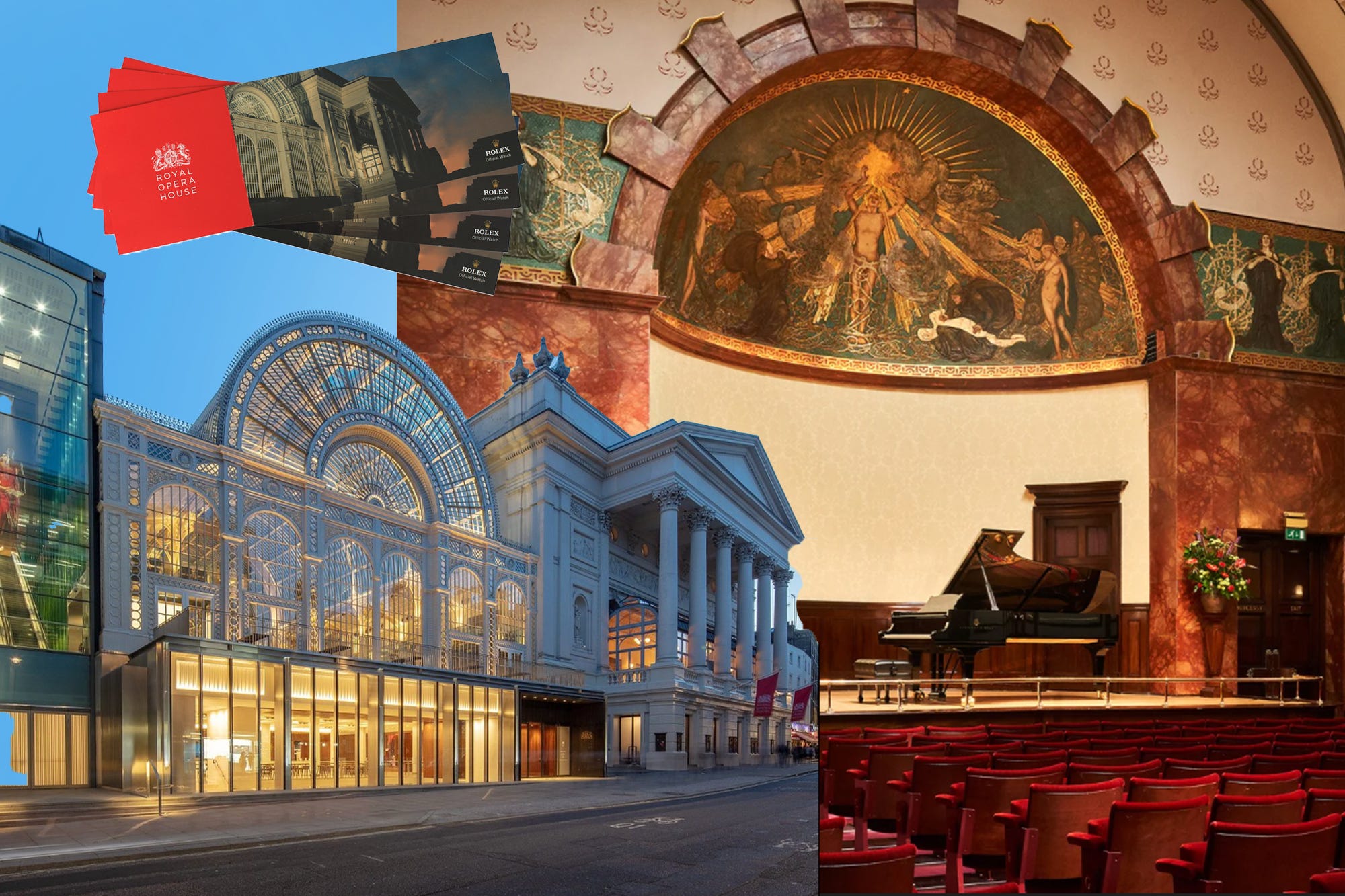
Concert tickets
I have to start here, because nothing beats listening to classical music live. Recordings are essential and now gloriously accessible, but hearing an orchestra in the room or opera singers filling a space with no microphones is a totally different experience. It’s the real thing.
People also assume it’s wildly expensive, but it doesn’t have to be. I almost never buy front-row or stalls tickets. Being that close can actually feel a bit… underwhelming. You lose the full blend of sound. The best seats, in my opinion, are often higher up – balconies or circles (just make sure it’s not restricted view). Cheaper and better.
In London, the Royal Ballet & Opera is where you’ll often hear the big international stars, but I also love English National Opera - fantastic productions, and everything’s sung in English, which doesn’t bother me one bit.
For recitals and smaller ensembles, Wigmore Hall is king: beautiful space, an unbelievable acoustic, and I think this is still true, the last remaining gas lamps in a London music venue. It’s special.
If you want specific concert recommendations, just shout.
Opera in the cinema
This might be the best ‘next thing’ to the real deal. Both the Metropolitan Opera in New York and The Royal Ballet & Opera stream some of their productions live to cinemas around the world.
You’re literally watching it as it happens, but with popcorn, maltesers, and a coke. You get close-ups of the singers, English subtitles, and the comfort of a cinema seat. I’ve been to quite a few and honestly love them. It’s the best seat in the house without the price tag and more snacks.
Local recitals
Don’t sleep on your local music scene. Churches, town halls, conservatoires, and small venues are constantly hosting young artists alongside established performers, usually for a fraction of the big-ticket prices.
These concerts can be incredibly intimate and often deliver huge musical payoff for very little financial risk. Just this year I went with a friend to hear a semi-professional orchestra tackle Rachmaninov’s Piano Concerto No. 3 with an unknown soloist (to me at least), and it ended up being one of my musical highlights of the year. Zero expectations, phenomenal playing.
The website Bachtrack is brilliant for this, it gathers listings from everything from big-name venues to the tiniest local halls.
Books
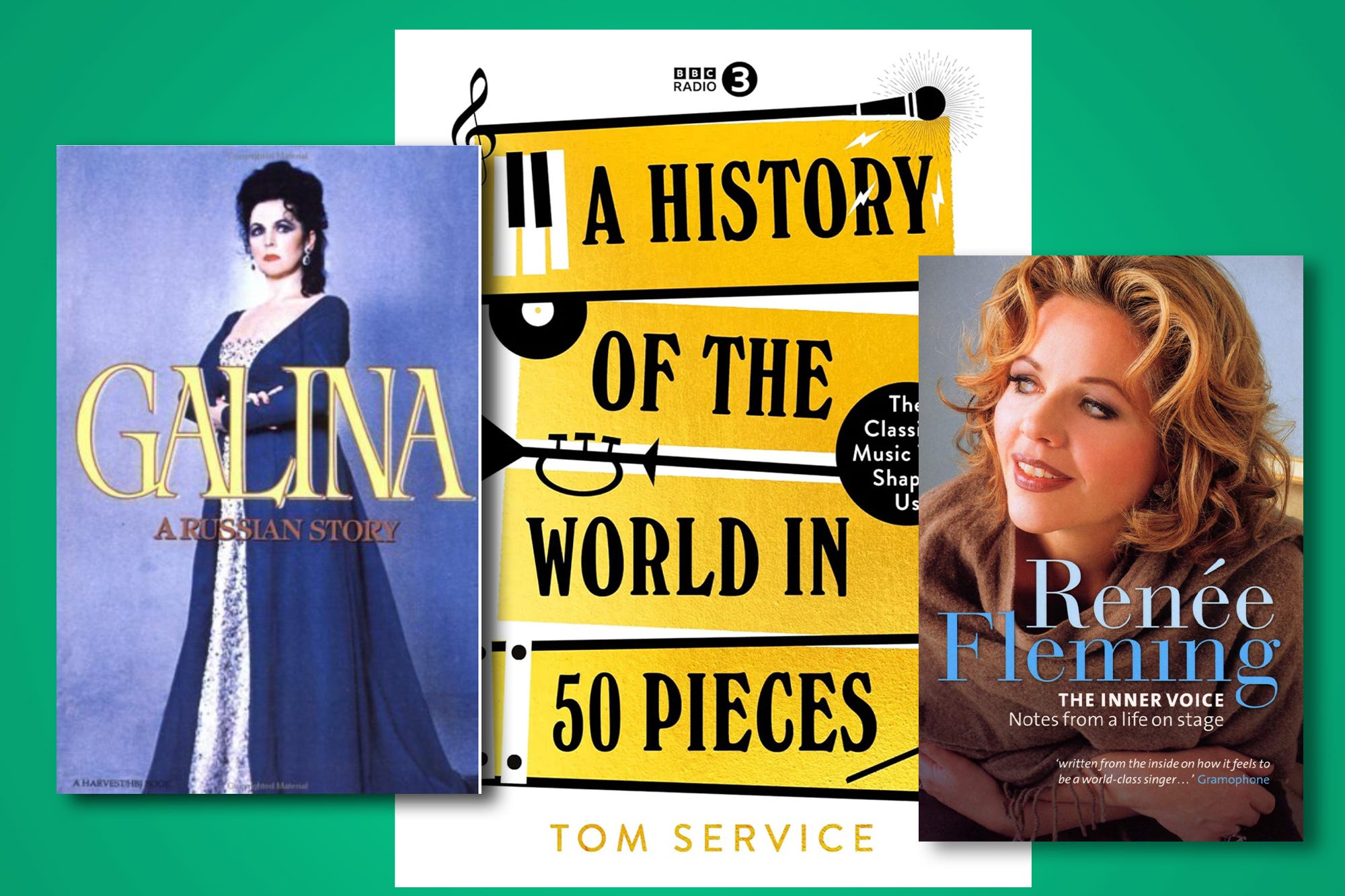
Galina: A Russian Story - Galina Vishnevskaya
This book was gifted to me years ago and it’s never really left my mind. It’s the autobiography of legendary Russian soprano Galina Vishnevskaya - a towering figure in her home country, even if she’s perhaps less widely remembered outside Russia now.
Born in 1926, she lived through wartime famine, Stalin’s rule, the Soviet cultural machine, and eventual exile from the USSR in 1974, before settling in Paris and the US. Along the way she knew the composer Shostakovitch personally and married the famous cellist Mstislav Rostropovich, but you don’t need to care about a single composer to love this book.
At heart it’s a gripping social history of 20th-century Russia told through one extraordinary life. It explains so much about the psychology of power, fear, survival, and ambition, and how art exists inside all that. Honestly, it feels even more relevant now than when I first read it more than ten years ago.
A History of the World in 50 Pieces - Tom Service
If you’ve ever listened to BBC Radio 3, you’ll probably know Tom Service. His ability to talk about music makes me deeply envious – he manages to be enthusiastic, clear, intelligent, and never intimidating, which is not an easy combo.
This book takes 50 pieces of classical music and links them to the world around them: politics, technology, social change, and how listeners themselves shaped what music became. The choices aren’t just the famous Bach and Beethoven greatest hits either, many are unfamiliar works by composers you probably won’t have heard of (and neither did I).
Judging by his radio work alone (you can still find old episodes of The Listening Service on the BBC Sounds app), this feels like exactly the kind of guide curious listeners need: wide-ranging, smart, and genuinely fun to dip into.
The Inner Voice – Renée Fleming
I do have a soft spot for sopranos, so bear with me, but this is a brilliant read even if you’ve never seen an opera in your life.
Fleming, one of the most celebrated singers of the past fifty years, writes honestly about everything from her childhood and training to the awkward business realities of the opera world. There’s a chapter where she opens with (and I’m paraphrasing): if you like to imagine artists as free-floating dreamers untouched by contracts, agents, money, or strategy… then you may want to skip ahead.
It’s a real behind-the-scenes look at how a major classical career is actually built - the doubts, the work, the logistics - all told with warmth and humour. A fascinating insight into the life behind the glamour.
Listening
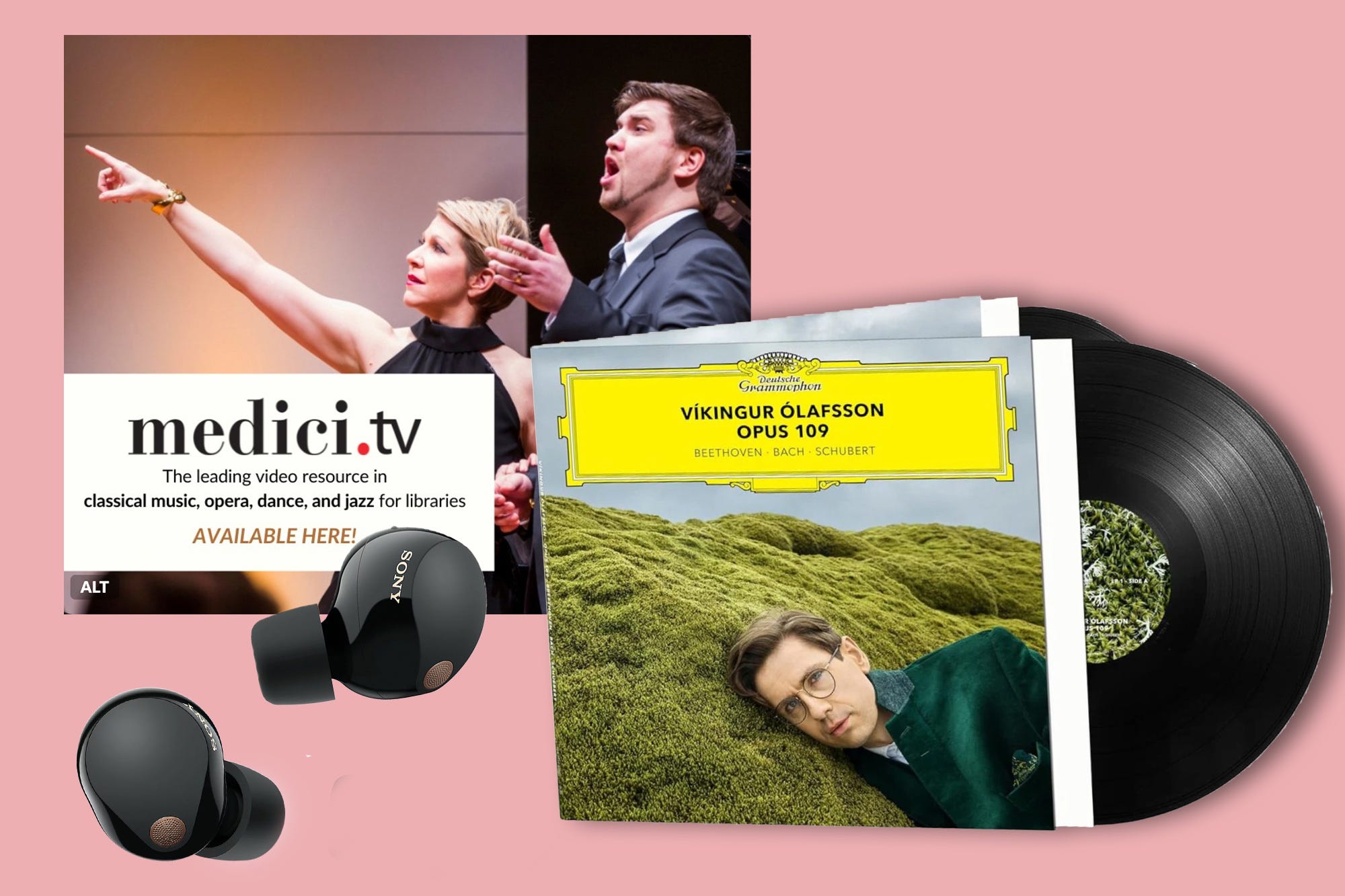
Headphone
It’s hard to overstate this: classical music lives in the details. The layers, the colours, the tiny shifts of volume, all of that disappears when music comes through tinny laptop speakers or very cheap earbuds.
A good pair of headphones genuinely transforms the experience. You suddenly hear into the music rather than just hearing it happen in the background. The difference between hollow sound and rich sound is night and day.
I use Sony in-ear headphones and love them, but whatever brand you choose and how much you’re able to afford, a little investment goes a long way here. If you’re gifting something practical that will change how someone listens to music immediately, headphones are right up top of the list.
Medici.tv
Yes, you can find endless clips and recordings on YouTube, but if you want a proper home for classical music without ads and algorithm chaos, Medici.tv gets my vote.
Think of it as a streaming service for classical and jazz: full operas, ballets, concert films, documentaries, recitals, and masterclasses - all in one place. I grew up watching the French TV channel Mezzo (sadly not available in the UK) and Medici feels like its modern digital counterpart.
They usually run offers around this time of year too, so a subscription makes a brilliant gift for anyone who wants to explore classical properly from their sofa.
Vinyl – Víkingur Ólafsson: Opus 109
Icelandic pianist Víkingur Ólafsson has quietly become one of the most important pianists of our time, and I don’t think that’s an exaggeration. He burst onto the scene with his Philip Glass album, followed it with Bach, and somehow makes even the most familiar repertoire feel newly minted.
I’ve had his latest album Opus 109 on repeat recently. It’s a beautiful journey towards Schubert’s final piano sonata (which I included in this week’s playlist). Deeply moving music.
In typical Ólafsson fashion, the album comes with a twist: every piece is in the key of E major or minor. Normally that would be a no-no. Musicians avoid programmes in one key because the ear gets tired, but under his hands you never feel that fatigue. The music flows effortlessly for over an hour without you noticing the time pass.
And then there’s the vinyl itself: Ólafsson’s head resting on a bed of moss on the cover. It feels like part marketing ploy, part collectible art object — but if you like the idea of an Icelandic pianist gazing at you from nature, this LP is for you. I’m buying it despite not owning a record player. No regrets.
For ‘I have absolutely no idea what to buy’
(and where I shamelessly plug myself)
Instead of panic-buying a random CD, you could gift a subscription to Who’s Afraid of Classical Music? This very weekly newsletter with playlists, recommendations, and behind-the-scenes musical stories for people who don’t know where to start.
It’s the lowest-stress gift there is: you click a button, your friend gets curious about classical music for a whole year. Everyone’s happy.
I hope this guide takes a bit of stress out of musical shopping this year.
If you know someone else stuck in classical gift limbo, feel free to pass it along.
Have a good weekend! x
Gift subscription - I love this, genius marketeer xx
Bachtrack is such a good name for that platform! I’m going to pop ‘go to a live concert’ on my 2026 to do list. Loved this read.