

The Magic of Arvo Pärt
5 pieces from the composer who gave stillness a voice.

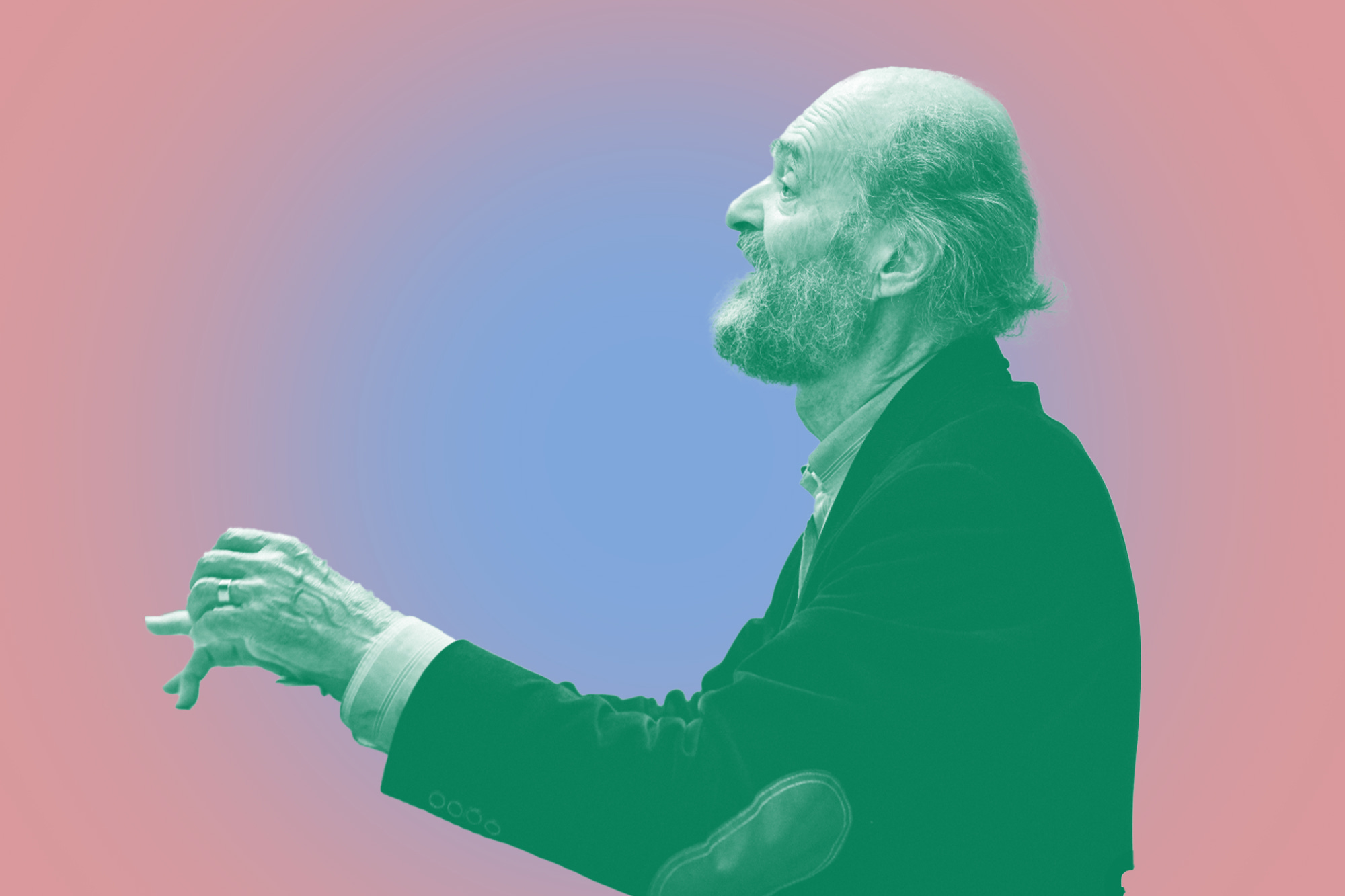
It was Arvo Pärt’s 90th birthday this Thursday. If the name doesn’t ring a bell, the music will. He’s one of those composers whose work managed to slip quietly into films, adverts, TV. Which makes this feel like the right week for, probably, the most relaxing Saturday playlist yet.
The secret is the style he developed in the ’70s. I heard a story this week on the radio (can’t vouch for the fact-checking) that back in the ’60s, Pärt knew he needed to find a new sound but couldn’t quite crack it. He spoke to anyone who would listen, and when he lamented to a street sweeper, the sweeper replied that a composer should love every single note they write. Something clicked. Out of that came tintinnabuli - Latin for ‘little bells’. One voice moving step by step through a scale, another holding fast to the notes of a triad. On paper it looks almost too simple, but in sound it glows.
The pieces this week all share that thread, but you’ll hear Pärt in different shapes: a piano sketch for his daughter, voices weaving in and out of an Alleluia, strings mourning a fellow composer, and the piece that’s become a kind of universal soundtrack for stillness.
Variations for the Healing of Arinushka
One of the first times Pärt used his tintinnabuli style was in this short piano piece from 1977, written for his daughter Arinushka while she was recovering from an appendix operation. On the surface, it couldn’t be simpler: six tiny variations, three in a minor key and three in a major key. But simplicity can be deceptive.
The score opens with an odd instruction: play a four-note chord with the left hand, but silently. No sound, just the keys pressed down. Why bother? Because those held-down strings inside the piano start to vibrate sympathetically, producing faint overtones. It’s a small technical trick, but in Pärt’s hands it makes the piano sort of glow as if something invisible has joined the sound.
The result is a piece that feels like healing in miniature: moving through pain and fragility, then gradually toward light and renewal. All in under four minutes.
This week, Latvian pianist Georgijs Osokins released a brand-new recording of it, timed for Pärt’s 90th birthday. It’s has a shine, tender, and the whole album is well worth exploring, definitely some pieces I haven’t heard before.
Summa
Written in 1977, Summa is probably his most famous choral work. And on the surface it couldn’t be more straightforward. The text comes from the Credo, that central section of the Catholic Mass that begins with ‘I believe’. The music is stripped back to the bare minimum: each syllable has its own note, and everything is laid out with almost mathematical clarity.
That was deliberate. Pärt was testing how words and sound could live together, note by note, in his new tintinnabuli style. The rules seem rigid - one syllable per note - but within those boundaries he found enormous freedom. The result sounds like Gregorian chant viewed through a modern lens: austere, meditative but completely new.
There’s also a quiet subversiveness here. In the Soviet Union of the 1970s, openly religious titles weren’t exactly encouraged. So Pärt avoided calling the piece Credo (a little too obvious) and instead gave it the neutral title Summa. That bit of camouflage meant the piece could exist in public, even if everyone knew what it really was.
On the Arvo Pärt Centre website, they’ve gone deep into this piece, even showcasing visualisation research of the musical structure. Unsurprisingly, the patterns Pärt set in motion generate all kinds of geometric shapes and hidden symmetries. In a way, Summa is both prayer and equation, serene on the outside, intricate on the inside.
Keep reading with a 7-day free trial
Subscribe to Who's afraid of classical music? to keep reading this post and get 7 days of free access to the full post archives.